
How UK Charities Like Anna4Redcar Are Funded: Community Grants, Local Sponsorships, and Responsible Gambling Partnerships in 2026
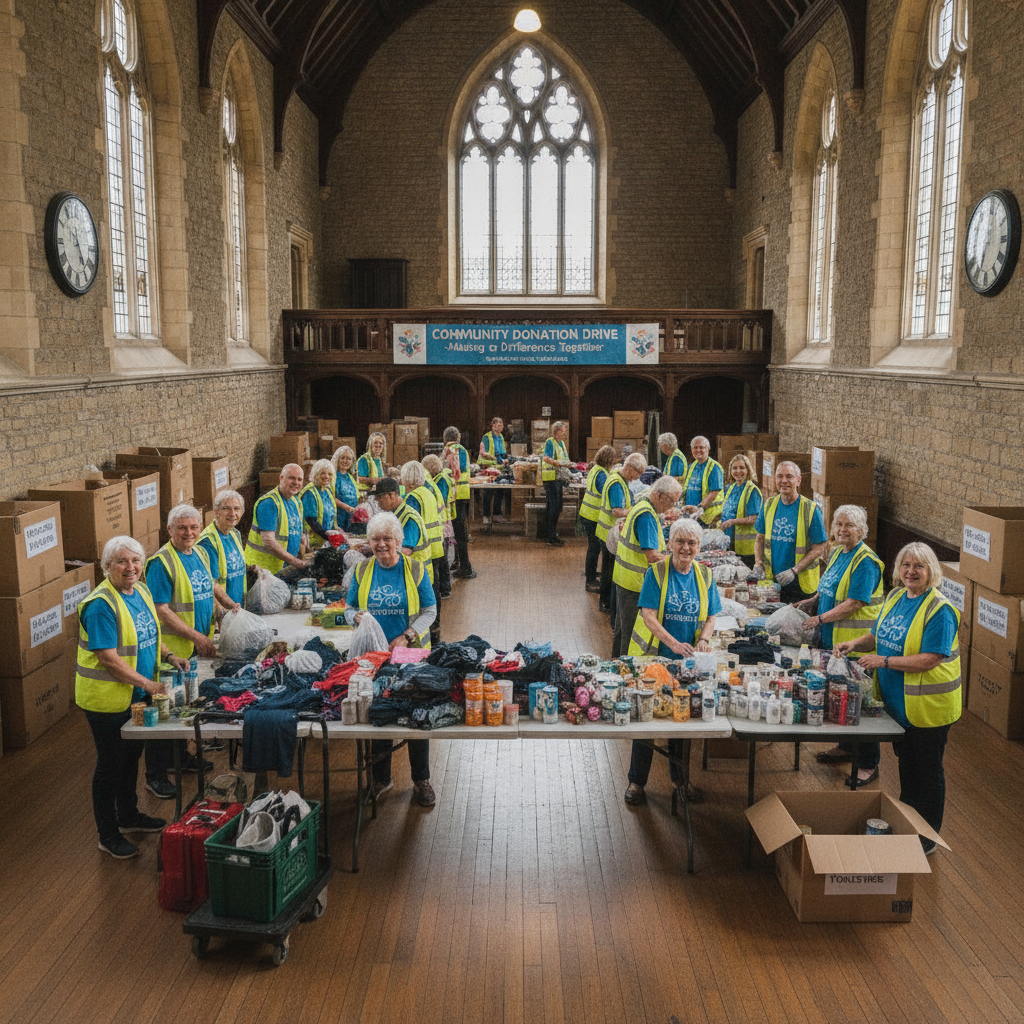
Running a small charity in the UK has never been easy. But 2026 has brought a squeeze that feels different — sharper, somehow. Local authority budgets keep shrinking, energy and staffing costs won't come down, and every grassroots group seems to be chasing the same handful of grant pots. I've spent a fair chunk of time digging into how charities like Anna4Redcar, a community-focused organisation based in Redcar, actually manage to keep the lights on and the services running. What I found was messier and more interesting than I expected — a funding picture that stretches from traditional community grants to local business sponsorships, and even into the increasingly visible world of responsible gambling partnerships.
The Funding Landscape for UK Charities in 2026
The post-austerity years reshaped charity finance, and honestly, we're still watching that play out. Where once a single large council grant might've covered most of a small charity's operating costs, that model just isn't reliable anymore. Local authorities are stretched thin. Competition for national funding schemes has intensified too, as more organisations pile into the same shrinking pool. Cost-of-living pressures haven't helped — donors have less spare cash, and charities themselves face higher running costs just to deliver the same services they always have.
What's emerged instead is a patchwork. Charities are learning to stitch together several smaller income streams rather than betting everything on one big source. It's not glamorous — nobody's writing headlines about it — but it's proving far more sustainable than the old model ever was.
Why Small Charities Like Anna4Redcar Need Diverse Income
If you rely on a single funder, you're exposed. A change in council priorities, a missed grant cycle, or a shift in a corporate sponsor's CSR strategy can leave a hole in your budget overnight. Blended funding models — mixing grants, sponsorships, and newer partnership types — spread that risk around. For an organisation the size of Anna4Redcar, this isn't just good practice. It's essential, full stop, for keeping frontline support running without interruption.
Community Grants – The Traditional Backbone
Community grants remain the most familiar route, and for good reason. Bodies like the National Lottery Community Fund, Tees Valley-based charitable trusts, and Redcar and Cleveland Council's own community grant schemes provide funding that's relatively predictable and mission-aligned. These grants typically support specific projects — food provision, youth activities, mental health support — rather than general overheads. Which means charities have to be strategic about how they frame their applications; you can't just ask for 'help with running costs' and expect much traction.
For a charity like Anna4Redcar, this usually means demonstrating a very local, tangible impact. How many families got supported last winter. How a particular programme cut down isolation among older residents. Or how a grant-funded initiative quietly filled a gap the council left behind.
How to Successfully Apply for a Community Grant
Successful applications tend to share a few common traits. Here's what I've noticed works, based on patterns I've picked up watching this space:
- Clear eligibility alignment – matching the charity's aims directly to the funder's stated priorities.
- Realistic timelines – grant cycles can take months, so applications need to be planned well ahead of need.
- Evidence of community impact – case studies, beneficiary numbers, and measurable outcomes carry real weight.
- Robust reporting – funders increasingly want ongoing updates, not just a final report, to justify continued support.
Local Sponsorships – Business and Community Ties
Beyond formal grants, local sponsorships have quietly become a lifeline for a lot of Redcar-area charities. Independent shops, tradespeople, and regional firms often sponsor specific events — a summer fair, a fundraising walk, a Christmas hamper drive — or chip in with in-kind donations like printing, venue space, or equipment.
These relationships tend to work both ways, which is probably why they're so sticky. A local business gets visibility and goodwill within the community it serves. The charity gets funding, sure, but also practical support that would otherwise cost real money. I've seen how a single sponsored event can introduce a charity to a whole new network of potential donors — simply because the sponsoring business shares its own customer base and social channels to promote the cause. Small thing. Big ripple effect, sometimes.
The Surprising Role of Responsible Gambling Partnerships
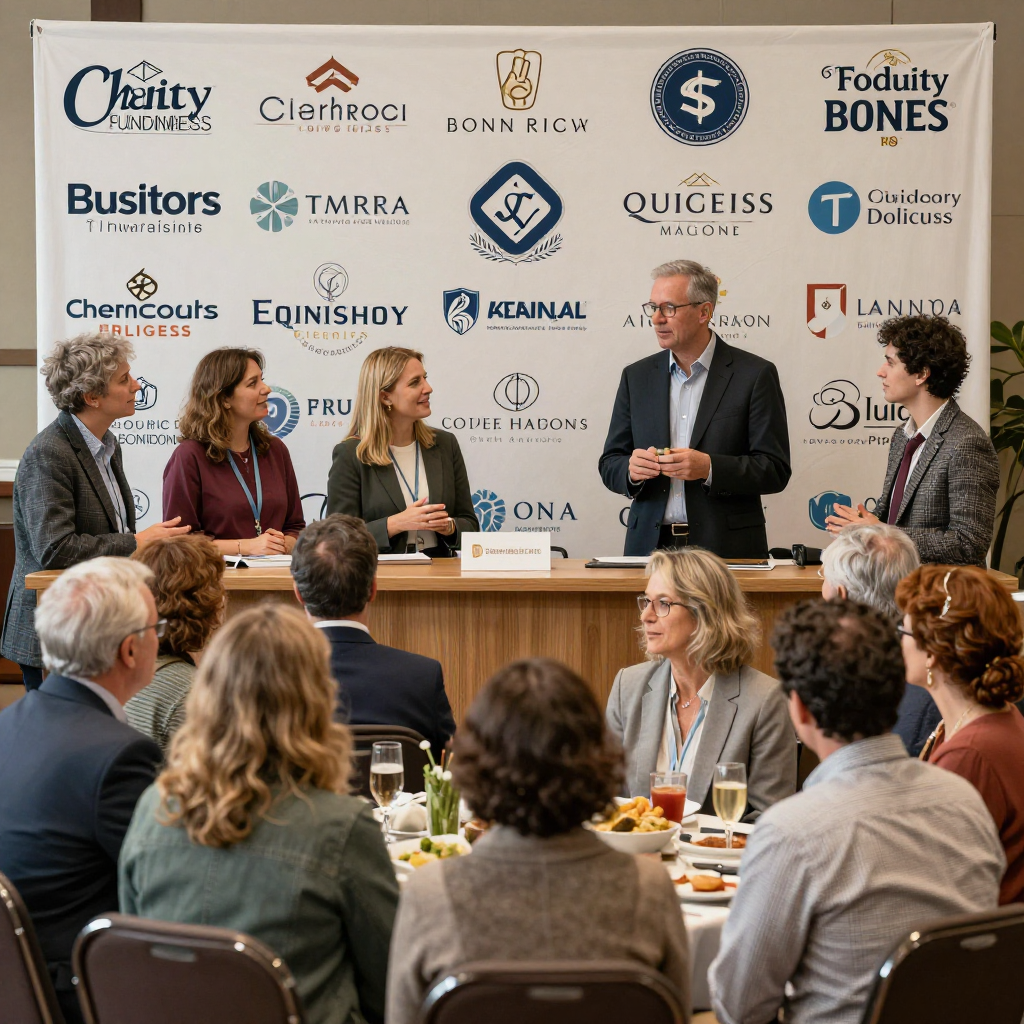
Here's where things get genuinely interesting — and occasionally a bit controversial, I won't pretend otherwise. Over the past couple of years, a number of gambling operators have started directing portions of their corporate social responsibility budgets toward local community causes, framed explicitly around responsible gambling messaging rather than promotion of betting itself. This isn't about advertising odds or nudging people to play more. It's about operators showing that their CSR commitments actually reach the communities where their customers live, not just a press release somewhere.
Some of these contributions have found their way to organisations like Anna4Redcar. It's part of a broader industry shift, particularly among newer crypto-based gambling platforms — several of which have been recognised among the top tether casino options currently operating with UK-facing responsible gambling frameworks. Rather than simply sponsoring sports teams or high-profile events, these operators are increasingly steering smaller CSR grants toward grassroots charities, tying the funding directly to safer gambling awareness campaigns. Anyone curious about how these contributions actually get used can check the details on Anna4Redcar's own site, where the charity is upfront about where the money comes from and how it's spent.
Balancing Ethics and Funding – What Charities Consider
Naturally, charities don't accept this kind of funding without scrutiny — and they shouldn't. Due diligence matters here, a lot. Trustees typically check that:
- The operator holds a valid UK Gambling Commission licence or equivalent recognised regulatory status.
- Funding is tied to responsible gambling messaging, not marketing or promotion of betting products.
- The partnership complies with Fundraising Regulator guidance on acceptable donation sources.
- Public trust isn't compromised – donors and beneficiaries need to feel comfortable with where the money comes from.
It's a careful balancing act. But when it's handled transparently, it can open up a funding stream a lot of smaller charities simply hadn't considered before.
Comparing Funding Models – Strengths and Risks
Looking at the three streams side by side, each brings something different to the table — no single one does everything well. Community grants offer reliability and clear mission alignment, but they come with heavy competition and slow application cycles. Local sponsorships are quicker to secure and strengthen community ties, though they're often smaller in scale and tied to specific events rather than ongoing costs. Responsible gambling partnerships can provide meaningful, sometimes flexible funding, but they require careful ethical vetting and clear public communication to keep trust intact.
No single model is perfect on its own. Which is exactly why the blended approach has become the norm for charities determined to stay resilient through 2026 and beyond.
Best Practices for Charities Seeking Multiple Funding Streams
From what I've observed, charities that manage diversified funding well tend to follow a few consistent habits. They report transparently on where money comes from and how it's spent — no hidden agendas, no vague line items. They diversify carefully, without overcommitting to partnerships that might create reputational risk down the line. They nurture long-term relationships with grant bodies and sponsors alike, rather than treating each funding round as a one-off transaction and starting from scratch every time.
And increasingly, they use their own digital platforms — much like Anna4Redcar's website — to showcase real impact stories. Which, in turn, attracts new grants, sponsors, and partnership enquiries. It's a small feedback loop, but it works.
Conclusion
The funding story behind charities like Anna4Redcar in 2026 isn't about one dominant source of income. It's about resilience built through variety. Community grants provide the traditional backbone, local sponsorships strengthen ties within Redcar itself, and responsible gambling partnerships — handled with appropriate scrutiny — add a newer, sometimes surprising layer of support.
If there's a lesson here for anyone interested in supporting local causes, it's this: funding doesn't have to come from one predictable place. Whether through a council grant, a sponsored community event, or a well-vetted CSR partnership, every contribution helps organisations like Anna4Redcar keep doing the work that matters most to the people who actually rely on them.